![[tel]020 7433 1863[tel]](http://www.lilyskitchen.co.uk/cdn/shop/files/contact.svg?v=1747219162&width=32)

You’ve just brought home a tiny, adorable kitten. There’s cuddling. There’s purring. There’re endless photos. But then, eventually, there’s poop. Welcome to pet parenthood.
Proper litter training is crucial for a clean home and a happy kitten. So, how do you litter train a kitten? Rory the Vet shares his expert tips, with guidance on choosing the right litter box, training techniques, troubleshooting accidents and more. Read on for the scoop. (Sorry, had to.)
MEET RORY THE VET

Starting with his degree from the Royal Veterinary College, Rory has since co-starred in the CBBC’s series The Pet Factor, shared his knowledge on the likes of Blue Peter and written all about it in his book, Secret Life of a Vet.
Follow him on Instagram
Why Litter Training is Usually Easy
Luckily for us, kittens have a natural instinct to bury their waste. As soon as they are born, their mother usually prompts kittens to relieve themselves and she takes care of the cleanup. Then, over the next few weeks, kittens usually learn how to use the litter box by observing their mother use one. But many kittens in the UK are weaned early, so they arrive in their new home without an understanding of how to use a litter tray, and therefore, need guidance.

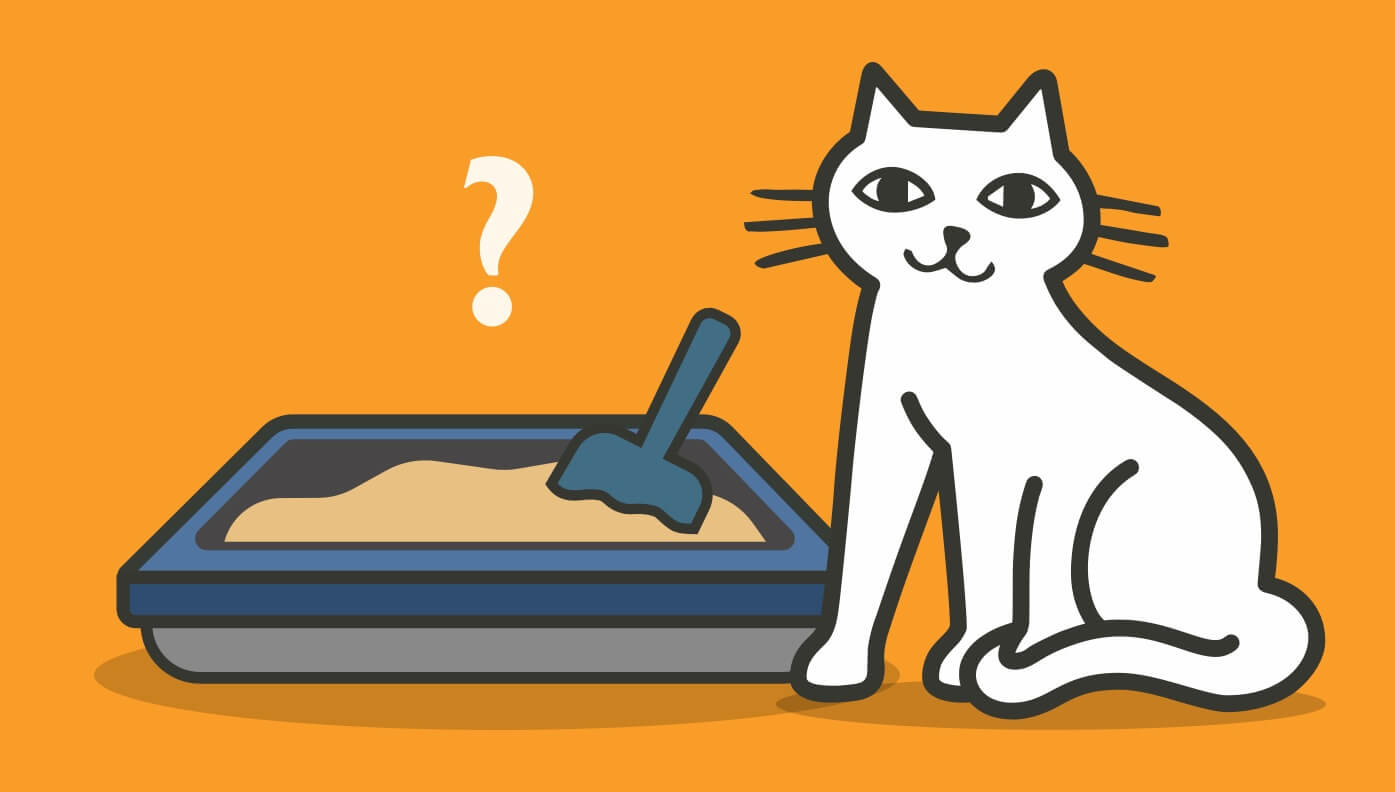
Choosing the Right Litter Box and Supplies
First things first, you need to get your furry friend set up properly. You’ll need to consider the following things when it comes to your kitten’s first litter box:
-
Box Type: A low-sided plastic tray is best for kitten in terms of easy access. (Note that you’ll need to get a bigger and deeper tray once your kitten grows up.) Avoid getting a covered tray with a flap as this is too complicated for a little kitten to navigate. I recommend getting two boxes for one cat, and for multi-cat households, the general rule is one per cat plus one extra.
-
Litter Type: Kittens are known to prefer sand-like litter, so I would potty train with this first, and once successful, you can transition to different litter type. Avoid scented litter as cats are sensitive to smells and this may irritate them, and while your kitten is young, opt for non-clumping vs clumping, as your kitten is at risk of ingesting clumped litter.
-
Location: Place your boxes in quiet, accessible areas of the house where your kitten won’t be interrupted, away from their water and food bowls. This applies to adult and senior cats as well as kittens.
- Additional accessories: As well as a box, you’ll need a litter scoop, a litter mat, cat-safe cleaning supplies.
Step-by-Step Guide to Litter Training Your Kitten
-
Introduce the litter boxes early: As soon as you bring the kitten home, show them the locations of each box and allow them to have a good sniff.
-
Show them how it works: Gently place the kitten in the litter box after meals and naps.
-
Look for signs they need to go: Such as scratching, sniffing, crouching or searching for private corners. Whenever this happens, place them in a box.
-
Encourage natural instincts: Scratch the litter with their paw if needed.
-
Be consistent: Keep the boxes in the same place and use the same type of litter.
-
Be patient: Accidents are likely to happen! Simply continue your training, they’ll get there in the end!
-
Reward good behaviour: Use treats or gentle praise when they use the boxes correctly.
- Clean regularly: Scoop daily and change litter weekly to encourage continued use.

When to Be Concerned: Behavioural Issues
- Behavioural stressors that might lead to avoidance.
Cats get stressed by a lot of different things; other cats, loud noises, changes in routines, etc. This can result in cystitis, which is one of the most common presentations of stress in young cats. Cystitis is a bladder inflammation which can cause cats to wee in unusual places.
- When to consult a vet if problems persist.
If a male cat goes to their litter tray and struggles to urinate, this is an emergency which will require urgent care. Otherwise, any of the above signs will warrant a call to the vet for some guidance.
Maintaining Good Litter Box Habits
-
Keep the boxes clean and fresh. This will encourage continued use.
-
Adjust box sizes as the kitten grows. Litter boxes need to be big enough to accommodate an adult cat without restriction while they dig and move around inside.
-
Gradual transition to different litter if needed. Usually, cats will develop a litter preference from a young age, so try to stick to what they like if possible.
- Regular vet checkups to rule out health concerns. Even healthy-seeming cats need regular vet visits to help detect any underlying health issues early.

Conclusion
The key to success when it comes to potty training your little friend? Consistency, patience and cleanliness. Most kittens will learn quickly with proper guidance. Before you know it, they’ll be a litter box pro in no time.
For more expert tips and a greater understanding of cats, head here.
The information in this article is intended as a guide to help pets and pet parents on their journey together. It is provided for educational and informational purposes only and is not meant as a substitute for professional advice from a vet, behaviourist, trainer or other professional. We encourage all pet parents to consult with their vet and/or behaviourist to ensure their pet’s specific needs are met.
Published on 29/04/2026