![[tel]020 7433 1863[tel]](http://www.lilyskitchen.co.uk/cdn/shop/files/contact.svg?v=1747219162&width=32)

Meows, trills, hisses, growls. Our feline friends are pretty vocal animals when it comes to communicating. The most mysterious noise being the purr. Most of us have experienced a cat curling up on our laps and letting out a seemingly contented purr. But is it all that it seems to be? Or is there more to it? Why do cats purr?
Cats usually purr when they’re feeling relaxed and happy. But did you know that purring can also indicate stress, anxiety or illness? Learning why your cat is purring can help you understand your little companion better and deepen your bond. Rory the Vet is here to explain all the mysteries behind this secret kitty language.
Cats Can Purr When They’re Content
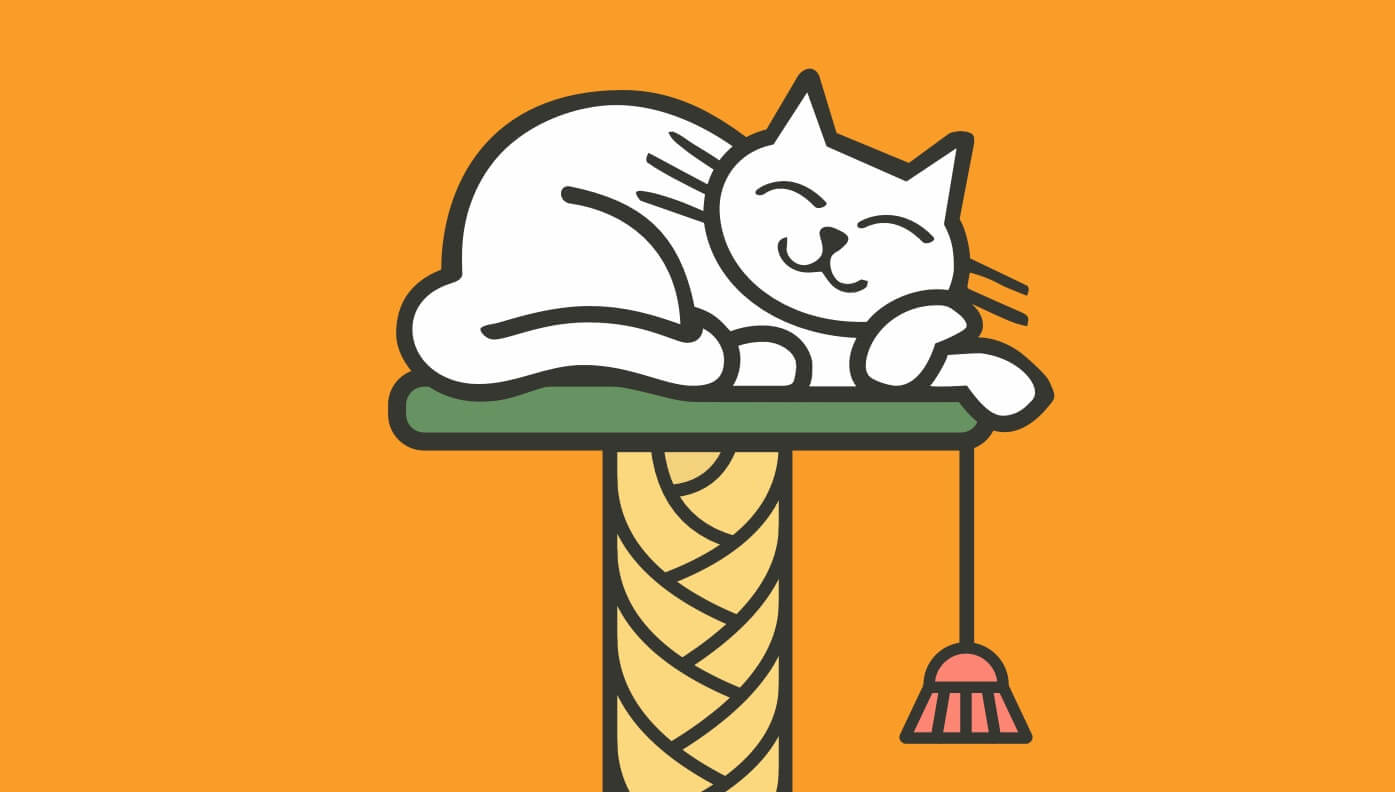
Cats typically purr for positive reasons; when they’re feeling content, excited or relaxed. You can usually tell if this is the case by reading their body language, facial expression and the context. Maybe they’re on their back, eyes closed and kneading something soft. Maybe they’re sunbathing or eating something tasty. Maybe they’re on your lap looking up at you with half-closed eyes. All these scenarios would suggest your kitty is very happy in that moment.

Cats Can Purr When They’re Anxious
Some cats may use purring as a coping mechanism to self-sooth and reduce their anxiety during a stressful situation. For instance, I sometimes see cats purring in my consult room. When this happens, they usually alternate between purring and meowing.
Purring can also be their way of managing pain. Mother cats sometime will purr during labour to help them cope with any discomfort during.
Cats Can Purr When They’re Greeting You
Cats may purr as a friendly greeting method when they’re happy to see someone. This also happens often with mother cats when they approach their kittens. You usually can tell if they’re saying hello if their tail is held up high.
Cats Can Purr When They Want Attention
Cats may purr to seek attention and affection. Whether it’s for a good ear scratch, food, a play session or the like. My own cat used to sit on me and purr then tell me off if I didn’t stroke him! They may also rub their body or head against objects, you or other cats as they purr.

How Do Cats Purr?
So, what does a purr sound like? It’s a motor-like, soft buzzing noise that will sound slightly different depending on the cat. They do this with their mouths closed through rapid muscle contractions in their voice box, diaphragm and chest. Their vocal cords and laryngeal muscles work together, with the glottis opening and closing as they breathe in and out, producing the continuous purring sound.
Benefits of Purring to Humans
What could be more comforting than a cuddle session with your cat as they purr? It is widely thought that a cat’s purr can have a calming effect on humans, helping to lower blood pressure and reduce stress. Purring can also strengthen the bond between cats and their owners, fostering companionship and trust.

Summary
A purring cat can be happy, content, anxious, in pain or friendly. By looking at the scenario and understanding their body language, you’ll usually be able to determine which mood your cat is in.
The information in this article is intended as a guide to help pets and pet parents on their journey together. It is provided for educational and informational purposes only and is not meant as a substitute for professional advice from a vet, behaviourist, trainer or other professional. We encourage all pet parents to consult with their vet and/or behaviourist to ensure their pet’s specific needs are met.
Published on 26/02/2026