![[tel]020 7433 1863[tel]](http://www.lilyskitchen.co.uk/cdn/shop/files/contact.svg?v=1747219162&width=32)

There are many wonderful things that come with owning a cat – hairballs do not make the cut. Most cat parents will have experienced a hairball; the alarming retching noise, a wet wad of fur – sometimes with fluid, food or mucus - and the after cleaning that is required. Although it’s clearly not a pleasant experience for your little friend (or you, for that matter), it’s completely normal for a cat to cough up one every now and then. But, as loving pet parents, we need to understand when it’s a problem and how we can help make the process easier for our feline companions. Rory the Vet is here to share his expert knowledge and answer some of your questions, including: why do cats cough up hairballs? What do cat hairballs look like?
MEET RORY THE VET

Starting with his degree from the Royal Veterinary College, Rory has since co-starred in the CBBC’s series The Pet Factor, shared his knowledge on the likes of Blue Peter and written all about it in his book, Secret Life of a Vet.
Follow him on Instagram
What causes hairballs in cats?
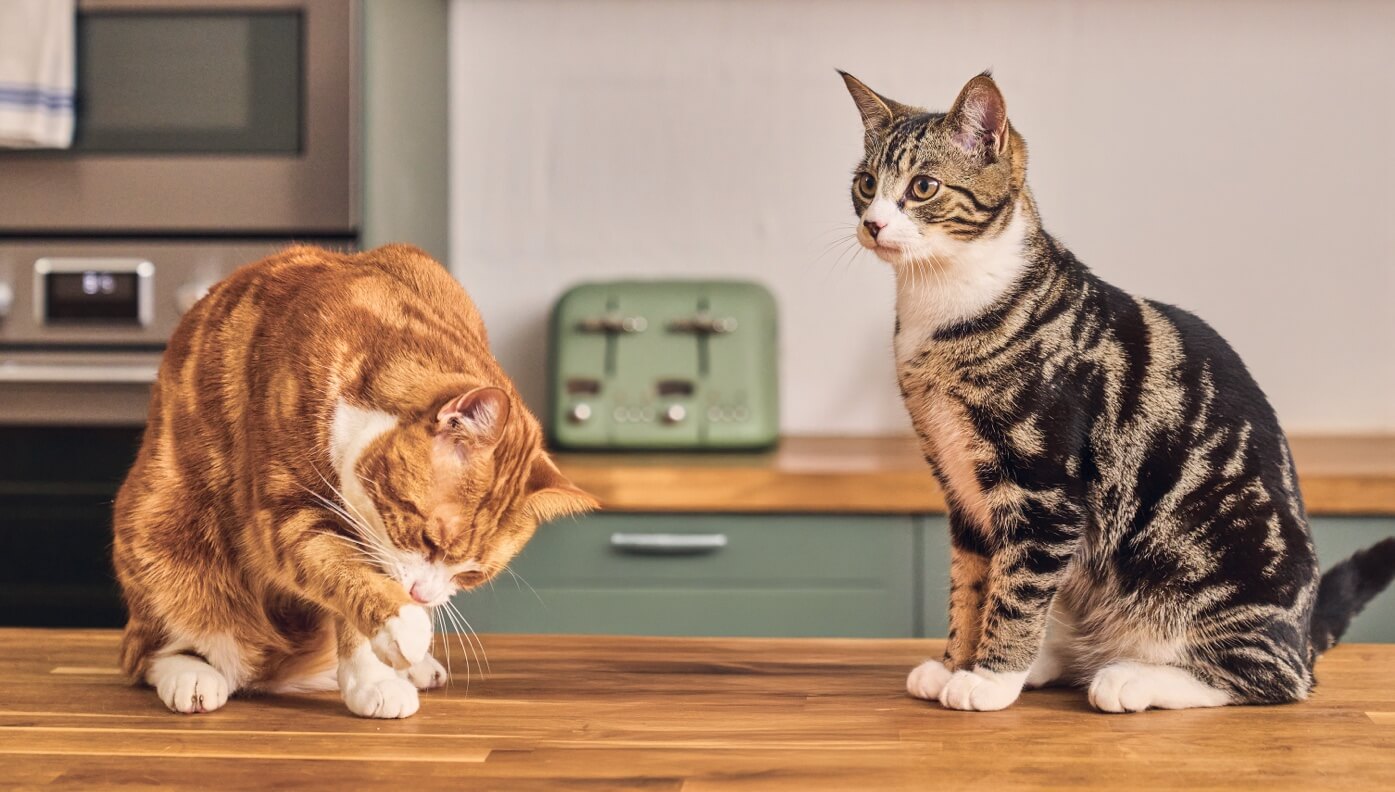
Hairballs develop as part of a cat’s healthy grooming routine. Your cat’s tongue has spikey barbs that run through their fur as they groom, picking up loose hairs, dirt and debris while helping to make their coat smooth and matted free. During this process, the hairs get swallowed, which usually makes its way through their digestive system safely and comfortably in their poo. But in some cases, the hair can build up in your cat’s stomach into a ball. Hair is not digestible, so if it does not pass through, it will need to come back up, which is why your cat will try to vomit it out to relieve discomfort. Seeing your cat vomit isn’t nice but know that this is a normal and natural sequence of events.
Speaking of your kitty’s stomach, here’s our guide on what to feed your cat to help keep them happy and healthy.

Should I be worried if my cat throws up a hairball?
The occasional hairball is normal, but frequent hairballs or gagging and retching for over 48 hours may indicate excessive hair ingestion. Hairballs can cause issues when they are large or in high volume.
There are a number of reasons why a cat might over-groom. These include allergies or a skin condition. If you notice your cat is licking themselves excessively, has developed bald spots and/or coughing up more hairballs than usual, consult your vet. A little bit of hair in vomit is also sometimes seen in relation to other conditions which may require veterinary care.
Cats can also overgroom due to boredom or stress. Keeping an eye on your cat’s body language may help notify owners when something is wrong.
Can hairballs get caught in my cat’s system?
In most cases, cats pass hairballs on their own. It is very rare for a hairball to cause anything severe. However, I recommend monitoring your cat for signs of intestinal blockages, such as lethargy, loss of appetite, lack of bowel movements or persistent vomiting. If you spot any of these symptoms, speak to your vet who may recommend an anti-hairball laxative to help clear excess hair, a supplement or a specific diet for cats who are prone to this.
If in doubt, always check in with your vet!

Are hairballs a concern for older cats?
Hairballs can in some cases be a little more of a problem for older cats, partly because their digestive systems are slower which can cause them constipation. This in turn can lead to complications, including blockages caused by hairballs. If you think your cat may be constipated, make a visit with your vet to get them checked.
In the meantime, make sure to check out our tips on feeding an elderly cat.
Can I prevent hairballs in cats?
Unfortunately, you can’t stop your cat from having infrequent hairballs as this would mean somehow stopping your cat from swallowing fur, which is a natural part of their grooming method. However, you can help prevent hairballs by regularly brushing their coat – daily for longhaired breeds and weekly for shorthaired. This may help to reduce the amount of fur they swallow as well as the time they spend grooming.
For frequent hairballs, home remedies like the above are not recommend. Instead, you must seek veterinarian advice who may suggest anti-hairball food or lubricants.

Summary
Hairballs are a natural part of a cat’s life. Although unpleasant to witness, they are usually not a cause for concern. But it always helps to keep an eye on your cat’s behaviour to ensure that they’re happy and healthy. Anything unusual or a cause for concern should be consulted with a vet. Otherwise, it’s time to get used to cleaning up the odd hairball – and don’t forget to give your little friend a cuddle after!
The information in this article is intended as a guide to help pets and pet parents on their journey together. It is provided for educational and informational purposes only and is not meant as a substitute for professional advice from a vet, behaviourist, trainer or other professional. We encourage all pet parents to consult with their vet and/or behaviourist to ensure their pet’s specific needs are met.
Published on 26/02/2026